
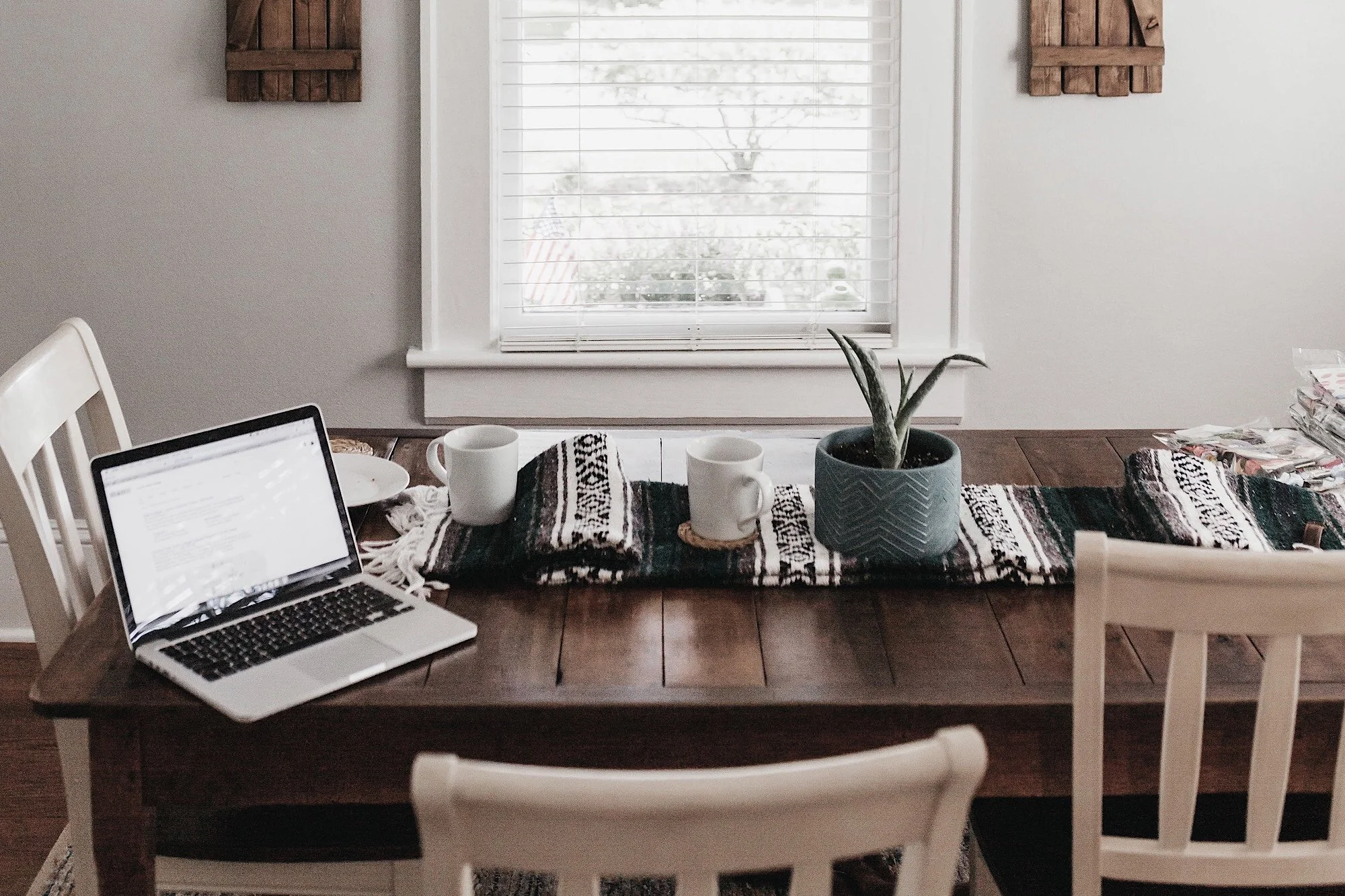
Web Design for Therapists: A Guide
Web Design for Therapists: A Guide to Getting It Done Without Losing Your Mind!
If you've been putting off creating your therapist website, you're not alone.
When I first started as a therapist in private practice almost 20 years ago I decided to build my own. It took a long time, and I’ve built many more since then and made therapist website design part of my portfolio of work.
It’s not easy for everyone, so this guide will help you make sure yours is just right for you.
Most therapists who I speak to are somewhere between "I really should sort this" and "I started it six months ago and never finished." And the ones who have finished are often left scratching their head, wondering why they don’t get enquiries, after spending every spare hour working on it for weeks or months.
This guide covers what good therapist website design involves, what tends to go wrong when people do it themselves, and how to get it right first time.
What Makes a GoodTherapy Website Design?
Before anything else, the platform, the colours, the photos, a good therapy website needs to feel like you. It needs to give a potential client a sense of who they'd be sitting across from.
Most counselling and psychology websites end up sounding the same. But none of it helps someone decide whether you are the right person for them.
What actually works is being specific. A phrase that sounds like you. Details about your approach. Messaging that connecting with your target clients. A favourite quote that speaks to you, or a small personal detail from your life. Something that makes a person think, yes, I want her!
Your key message and voice are the foundation that everything else in your website design should support.
Which Platform Works Best for Therapist Websites?
This is usually the first question, and it sends a lot of people down a rabbit hole.
Squarespace is what I use, and what I build on for my clients’ therapy websites, and I'd recommend it for most of us. It's structured enough to keep things clean and professional, without requiring you to touch any code. It's manageable long-term; you can update your CPD or change a photo without needing to call anyone.
WordPress gives you more flexibility but significantly more complexity. For most solo therapists, it's more than you need and more than you want to maintain. Because of this it can end up rather expensive.
Wix is accessible, but can feel limiting as your site grows, it’s less beautiful, and the SEO foundations are weaker.
The best platform is the one you'll actually be able to keep up to date. For most therapists, that's Squarespace.
What Pages Does a Website for Therapists Actually Need?
Not many. In fact, a focused site will almost always outperform a sprawling one that took so long to build it never got finished; a labyrinth that confuses rather than holds the visitor on a journey through learning about you. Sometimes less is more:
Home: who you are, who you help, and a clear next step
About me: your story, your training, what brought you to this work
Work With Me and FAQs: how therapy with you works, what to expect, fees and availability
Contact: simple, warm, easy. Adding forms and a location map makes it feel clear, professional and welcoming.
Useful Links Page: I include these because it’s helpful for the client, causal browsers, positions you in your field, and helps with Google understanding your site.
You can always add to it later, for example, if you offer more than one service or client group, so a page for couples counselling, another for adolescents, or include a blog with keyword rich topics. But these simple pages with clear messaging are enough to help the right people find you, and feel confident enough to reach out.
Why Web Design for Therapists Is Harder Than It Looks
Design sounds manageable until you're doing it. Maybe you’ve tried it: Colours that look fine individually that feel flat or harsh on screen. Fonts that seemed elegant look too clinical. Spacing that works on a laptop is skewiff on a phone, taking another hour just to sort that out.
Our websites are there to start building trust with clients as soon as they visit. It’s also somewhere they can return to for reassurance during the work. An outdated, misaligned, or a chaotic website will not feel like this secure base. Nor will it if it feels overly corporate, hard to read, or with messaging that doesn’t fit.
Most of your potential clients will visit your site on their phone first. Your site has to look good on desktop and phone, well, it’s not as easy as it looks! Squarespace generally handles this well, using the classic editor.
Mobile optimisation alone is responsible for more abandoned DIY websites than almost anything else. You spend an afternoon getting everything looking right on your desktop, tweaking away, then check it on your phone, and find that text overlaps, images are cropped strangely, and the contact button has disappeared and the font has changed size.
I've been there, friends!
You can do it, but the reality is it does take time, hundreds of tiny decisions (and decision fatigue) and can get in the way of life, and after all, there’s work to do!
Writing Your Therapy Website Copy
The words on your website matter more than almost anything else, and they're often the last thing people think about.
There's a common pattern: spend weeks on the design, fill in the text quickly at the end because you just want it done. The result is a website that looks fine but doesn't really connect well, or invite people in.
Good therapy website copy isn't about sounding super professional. It’s about sounding like you. What do you say to your clients when the walk in your therapy room?
Our clients need reassurance and understanding before they’ve even met us. Instead of "I offer a safe and confidential space," something like: "If you've been feeling stuck for a while and you're not sure where to start, that's okay, a lot of people feel that way when they first get in touch." Simple, warm, human. That's what makes someone contact us.
This is why I include copywriting as part of my websites for therapists package. I'm a therapist, but I'm also a writer, so I can help you find the words that reflect you and your work closely for your right fit clients.
Getting Your Therapy Website Found on Google with SEO
A beautiful website that nobody finds is a bit like an empty therapy room.
Search engine optimisation, or SEO is what helps Google understand what your site is about, and show it to the right people at the right time in the right place. For therapists, that usually means someone in your area searching for help with something specific.
The basics matter: the title of your page, the words in your heading tags, how your site is described in search results, whether your images are optimised, or pages load quickly on a phone. Get these right and Google will trust your site. Get them wrong, or ignore them entirely, even a gorgeous website sits quietly on page four where nobody will ever find it.
This is something I build into every website I create, and when I handover, I include an SEO checklist in the PDF guide I give clients wanting to edit their websites in the future.
SEO optimisation is an integral part of my websites for therapists package, not an afterthought, so your site is set up to be found by your clients.
What to Look for in a Therapist Website Designer
If you're thinking about working with someone to build your site, a few things worth considering:
Do they understand therapy? Someone who works specifically with therapists and counsellors will understand the tone, the ethics, the things you can and can't say, and what your potential clients might be asking. A general web designer won't necessarily get any of that.
Do they include the writing? Many web designers hand you the design and expect you to fill it in yourself. If writing isn't your thing, or you don't want to add it to your list, look for someone who offers copywriting as part of the package.
How long will it take? Some services take many weeks, even months. If you need something up and running without a long wait, ask about timescales upfront.
Will you be able to manage it yourself afterwards? A website you can't update is a problem. Make sure whatever platform your designer uses is one you can actually navigate. I know a lot of people who have to contact their web designer just to make a simple edit on their website, and pay for it, too: it’s rather frustrating to have to do this if all you need is to add your latest qualification, update your location or refresh a profile photo.
My Web Design for Therapists Package: How It Works
I build websites for therapists on Squarespace, using my own beautiful template I've developed for therapists like us: I use for my own site.
It only takes 1-2 weeks, and it will be up and running and in your hands.
Because I'm a therapist myself, I understand what your clients are looking for and what you need to say (and what you don't).
Copywriting is included, as I’m a mental health writer too. I'll help you find your voice and shape the words, not just hand you a design and leave you to fill in the blanks. Words that hold your website visitors hand as they learn about you and your practice.
Getting Started with Your Therapist Website
We start with a conversation. Tell me about your work, your clients, what you're hoping your website will look and feel like. Share your details, preferences, colours, tone, and I take care of the rest.
Once approved, I’ll publish and hand the reigns to you.
Learn more, and book a free call to talk about your therapist website package
A Therapist Website That Feels Like You
The websites that work best for therapists aren't the most complicated, but the ones that feel calm, clear, and reflective of you.
If you're ready to have a beautiful website that does that, without spending months trying to make it happen, I'd love to help.
Find out more about my websites for therapists package here.
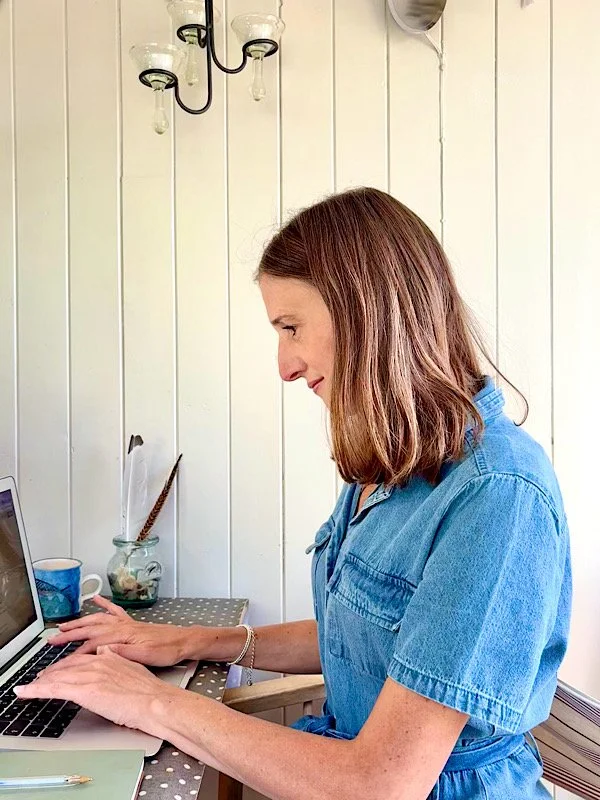
I’m a web designer for therapists like us!